Selected Projects

A deeper dive into my previous academic research, machine learning modeling, startup competitions, and sustainability initiatives.

Spatiotemporal Day-Ahead Solar Forecasting over Hong Kong with Synthetic Clear-Sky Index

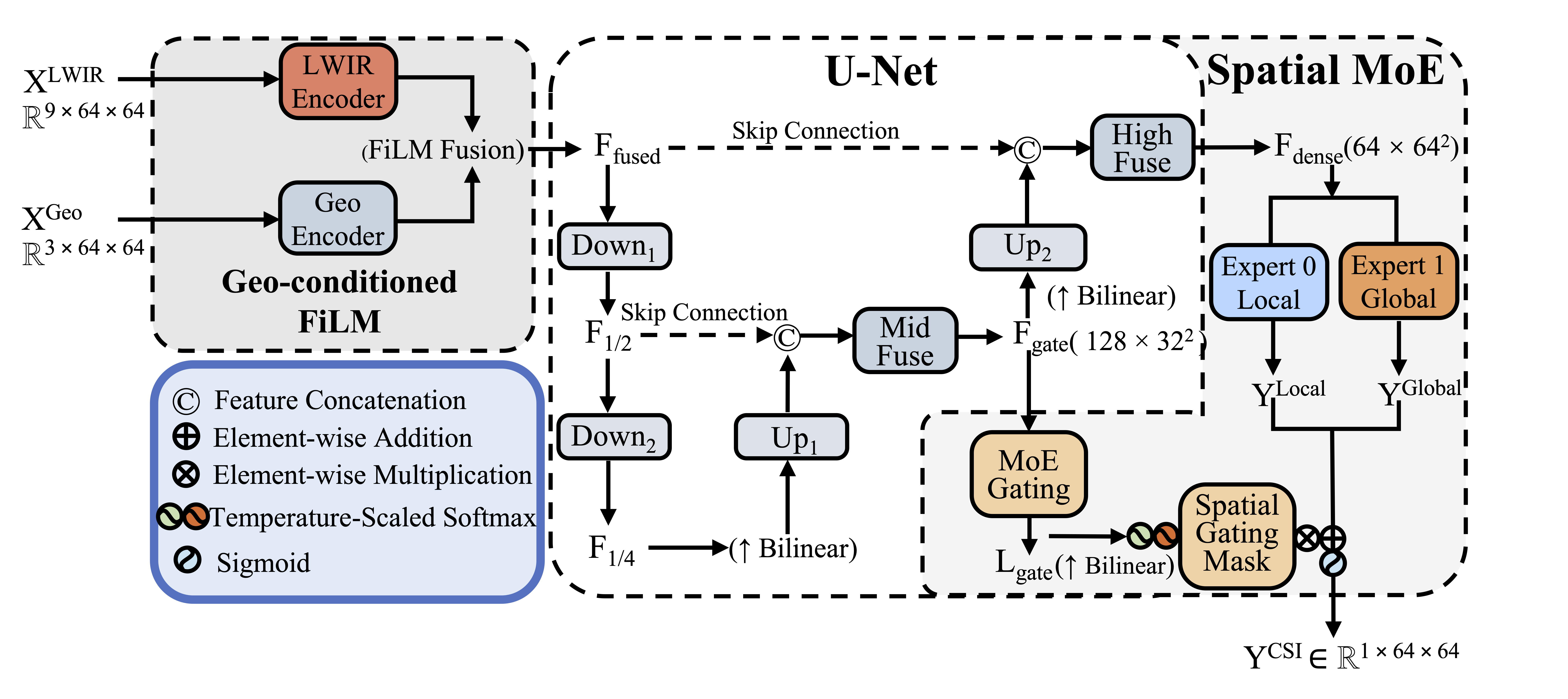
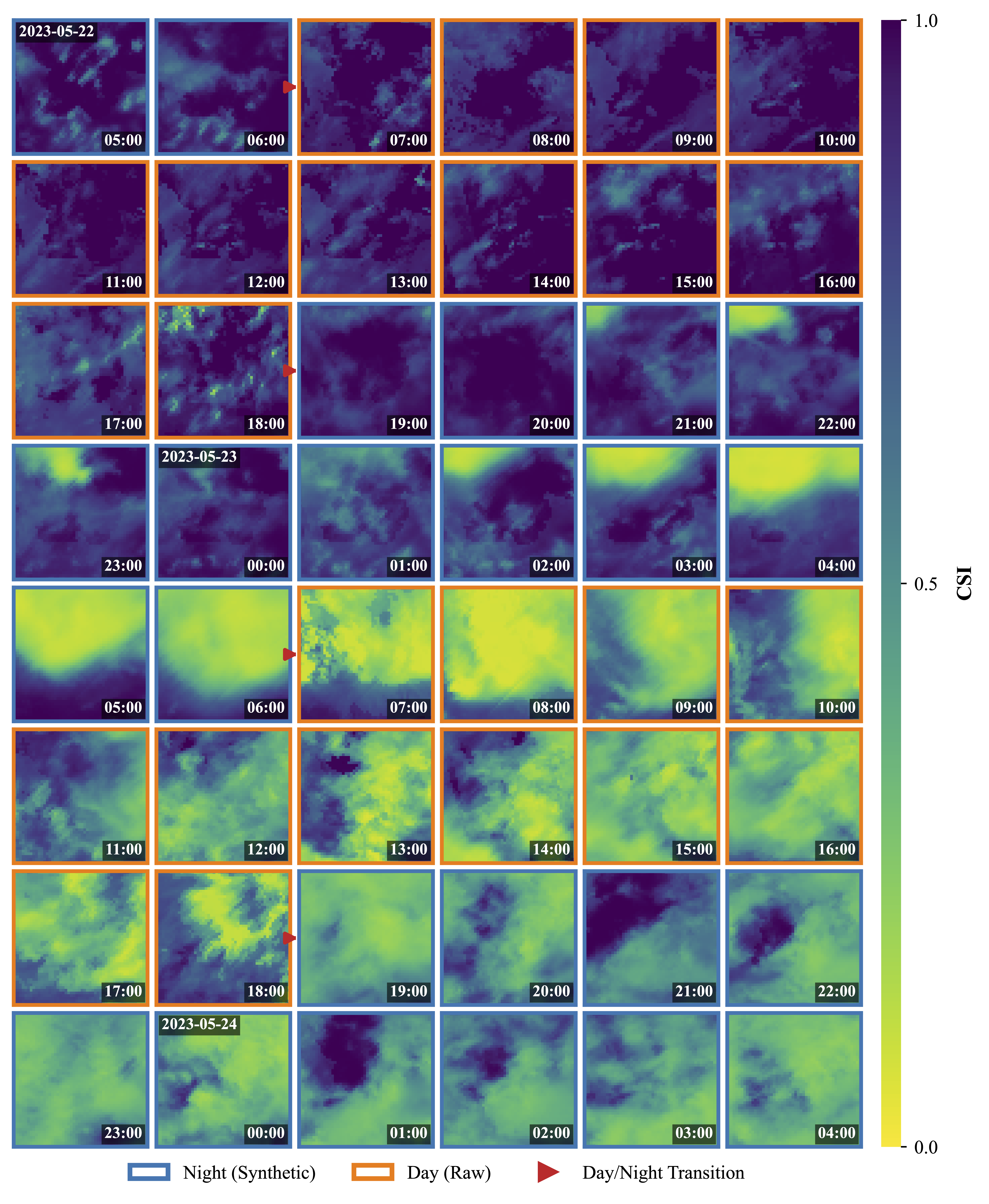
This repository hosts the ongoing development of a high-resolution, day-ahead solar irradiance for Hong Kong. By integrating multisource satellite imagery (Himawari-8/9, CAMS), the model is designed to map localized cloud dynamics and atmospheric transmission across the city's complex terrain. This physics-guided AI approach forms the core of my current research at the PolyU REALab.

Solar Forecasting Model Architecture
Solar Prediction Heatmap
View GitHub Repository

Data Assimilation in Lorenz Model by applying Kalman Filter

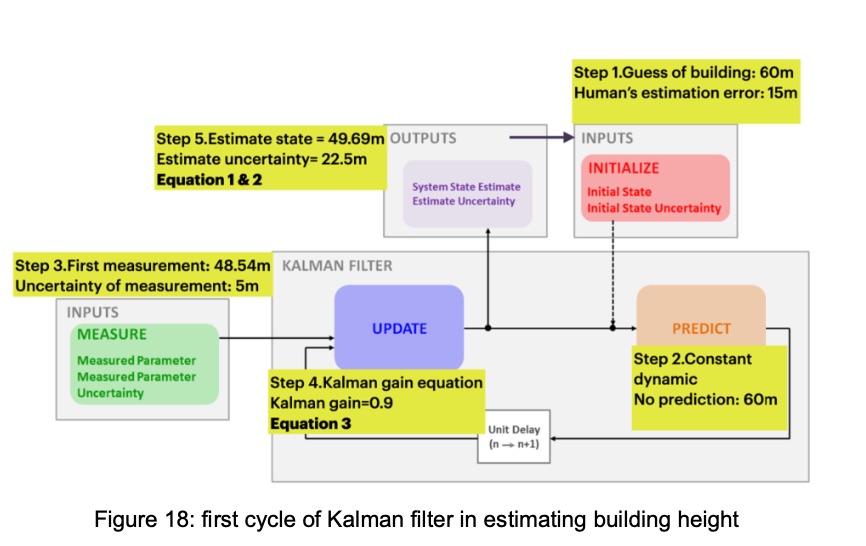
This was the Final Year Project of my Bachelor degree, supervised by Prof. Julian Mak. The project aimed to explore one of the typical data assimilation techniques called the Kalman filter. Data assimilation is commonly applied in the prediction of meteorology, climate science, weather forecasts, and ecology.

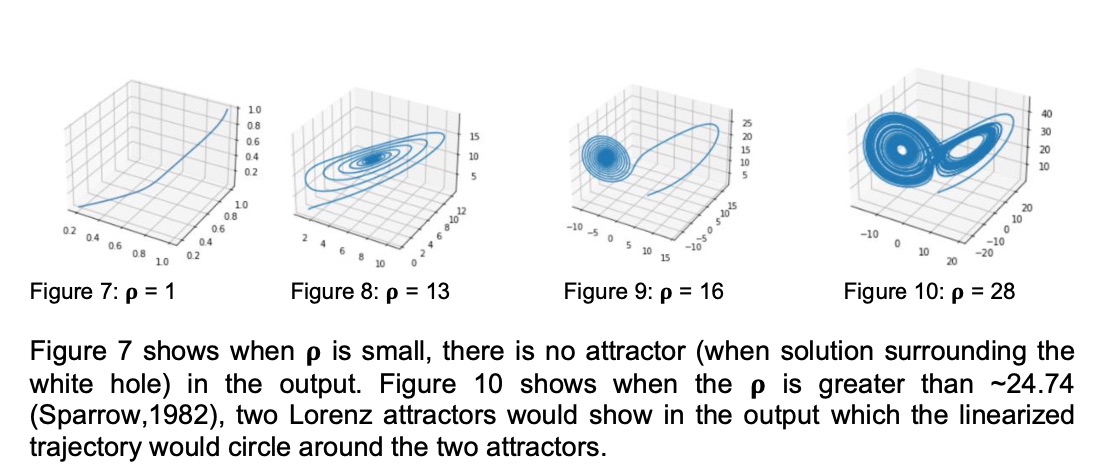
In this project, the Ensemble Kalman filter (EnKF) was applied to solve the initial condition problem of prognostic variables in the chaotic Lorenz system—often known as the Butterfly effect.

Kalman Filter 1
Kalman Filter 2

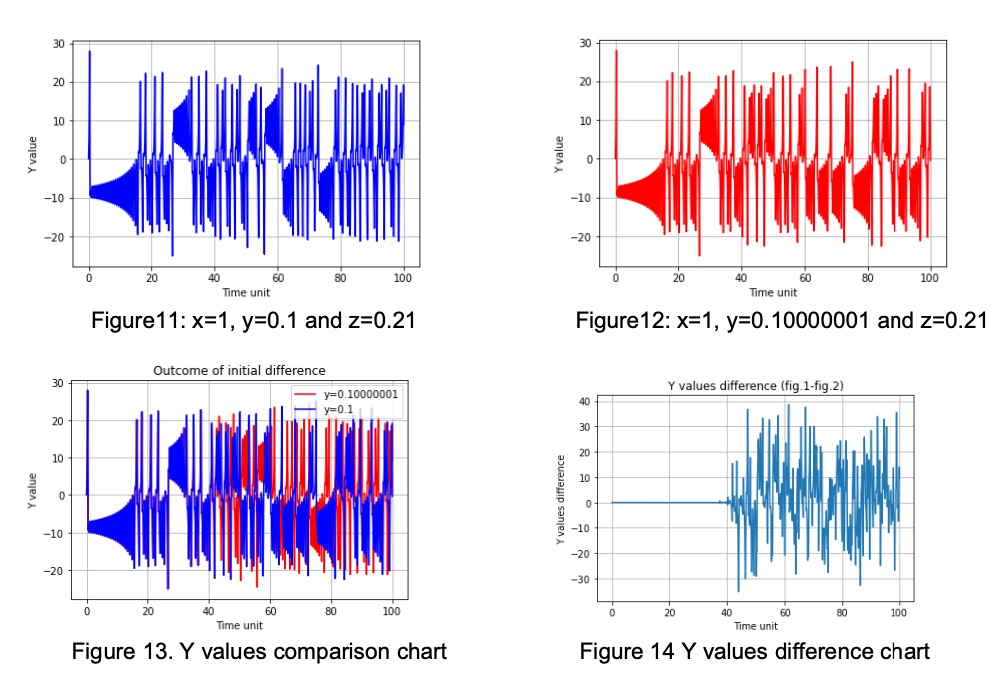
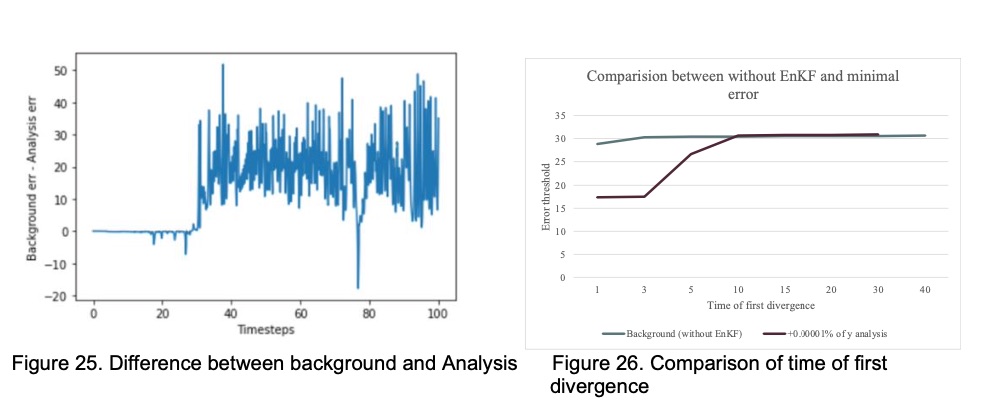
Predictions based on a set of initial conditions with uncertainties are not reliable after a certain time in a chaotic system. The intention of this FYP was to mitigate the initial condition error in the Lorenz system by applying EnKF. We compared model trajectories with and without the application of EnKF, varying initial conditions, observation frequencies, and ensemble sizes to understand the underlying mechanism.

Kalman Filter 3
Kalman Filter 4

After the experiments, we found that EnKF could reliably correct the initial condition of the Lorenz system even with massively perturbed initial condition errors (+200%) because the underlying model dynamics were perfect. Therefore, constantly taking observations successfully constrained the trajectory back to the truth. Furthermore, increasing the ensemble size and shortening the observation interval significantly improved the filter's performance.

* Note: Some Python code was adapted from "PyDA: A Hands-On Introduction to Dynamic Data Assimilation with Python" (Ahmed et al., 2020). If you would like to read the full report, feel free to send me an email.

Leading Carbon (領碳)

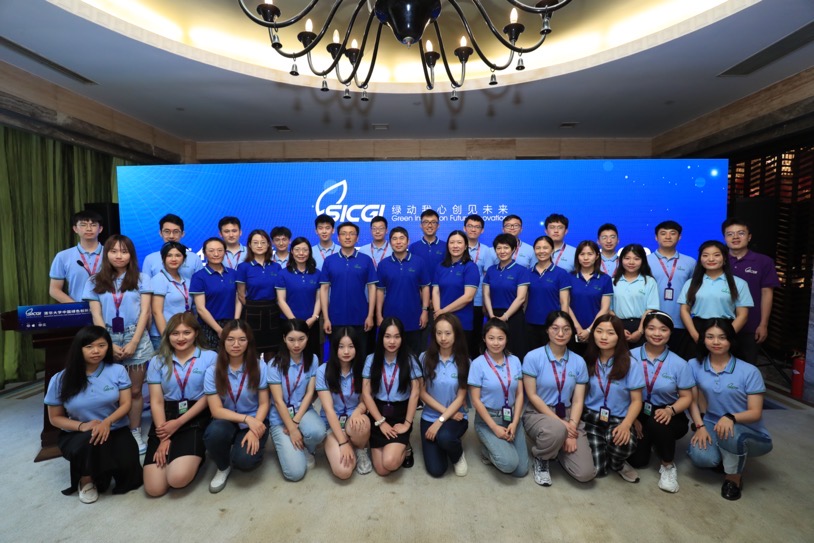
Summer Institute For China's Green Innovators (Tsinghua University & Apple)

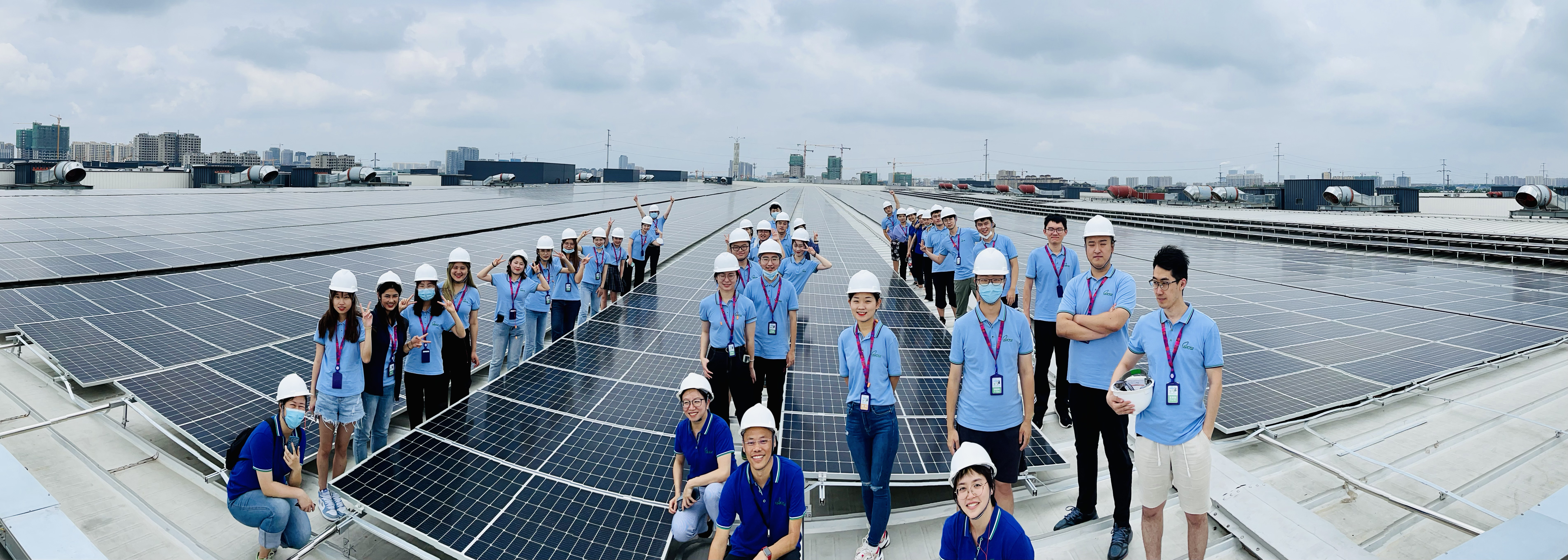
Supported by the Ministry of Ecology and Environment of the People's Republic of China, the Summer Institute for China's Green Innovators (SICGI) was co-founded by Tsinghua University and Apple. The program aims to cultivate young leaders with strong environmental innovation awareness to confront challenges in green transformation.

China has made significant strides in low-carbon product certification. However, labeling systems that clearly communicate product carbon footprints to the general public remain uncommon. Operating on the principle that "every consumption choice you make has an impact on the earth," my team developed a consumer-oriented, visual carbon factor label.

After comprehensive theoretical research, policy review, and interviews across government departments, enterprises, and consumers, we launched our green innovation solution: **the visual product carbon factor label**. This label balances computational rigor with a clean, visual presentation to effectively demonstrate a product's carbon reduction efforts.

Leading Carbon 1
Leading Carbon 2

The label utilizes a "low carbon indicator + key weight" approach. We selected personal computers as a pilot product to calculate a low-carbon index, bridging the gap between professional manufacturing metrics and consumer decision-making. Through this project, our team won **First Prize** at The 6th China's Green Innovation Competition.

Climate Action Recognition Scheme (Hong Kong SDG Hub)

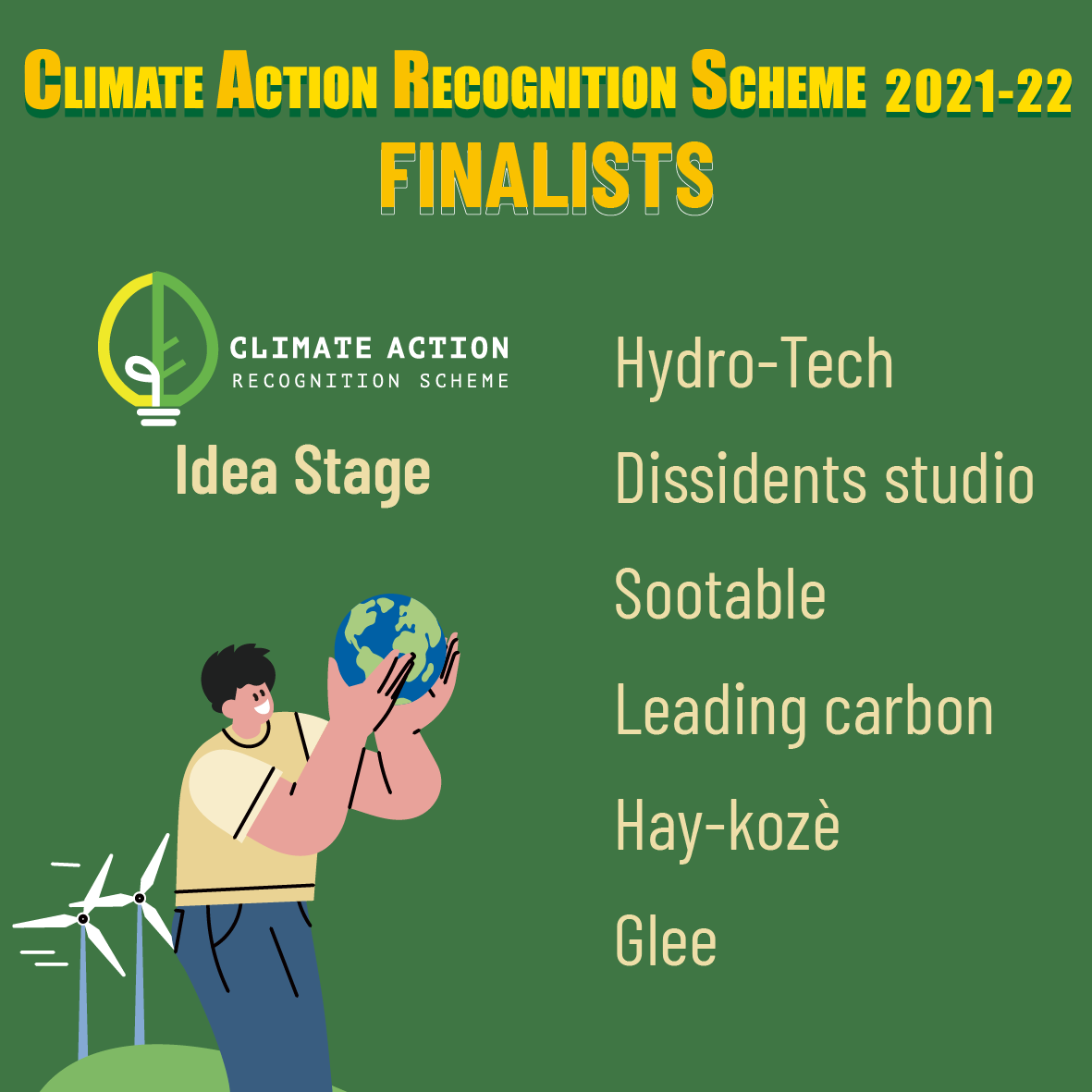
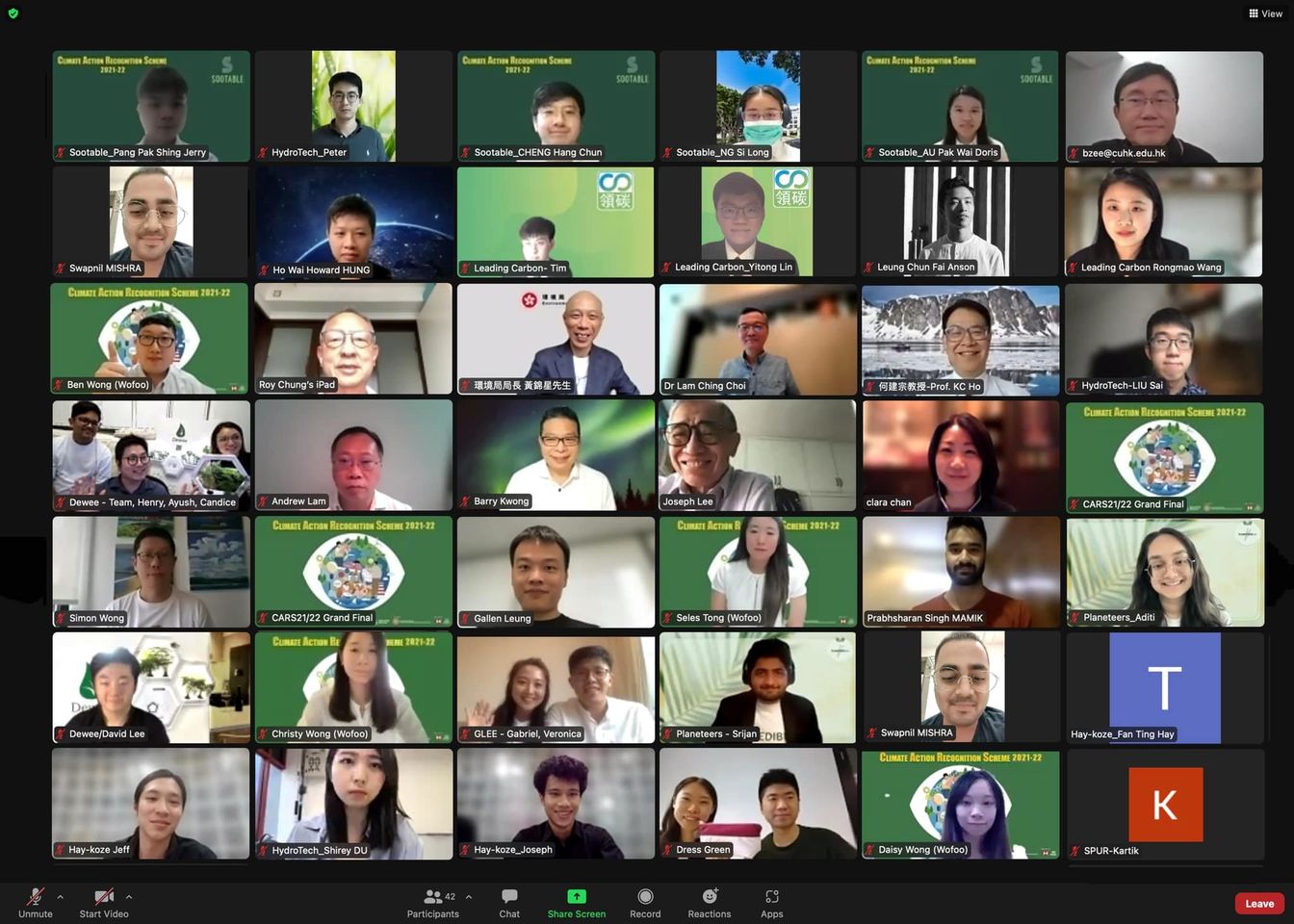
Following our success at Tsinghua, our team brought *Leading Carbon* to Hong Kong. We participated in the Climate Action Recognition Scheme—a startup competition held by the Hong Kong SDG Hub and Wofoo Group, supported by HKSTP. We advanced as one of the 6 finalists, pitching our model to industry leaders and the Secretary for the Environment.
SDG Hub Presentation
SDG Hub Event